Global AI Regulation: From Strict School Bans to Unregulated AI Havens
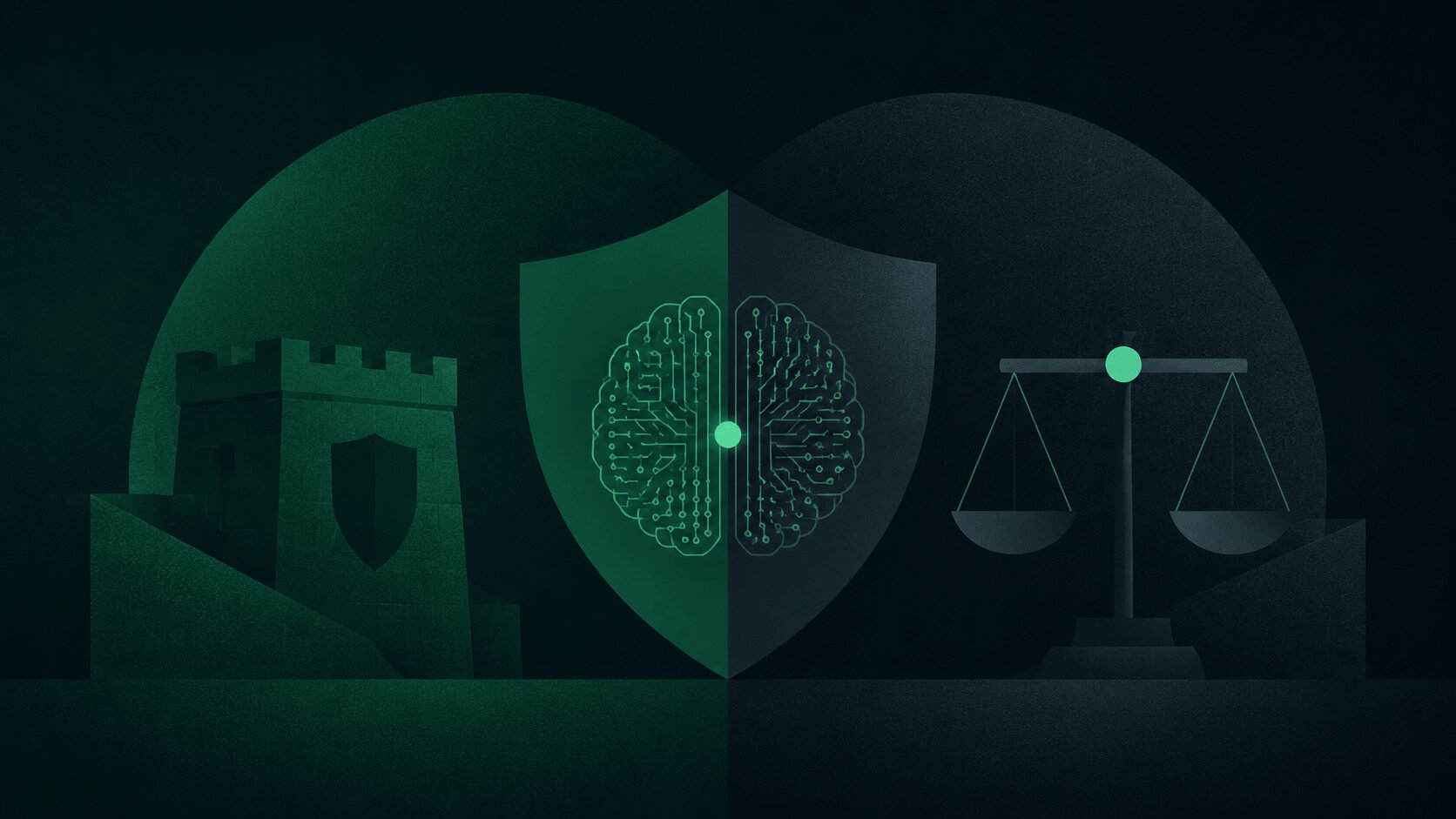
Countries are adopting sharply different approaches to AI oversight, ranging from comprehensive risk-based frameworks to outright prohibitions on generative tools in education. The United States relies on a patchwork of state laws and presidential actions, including Texas TRAIGA restrictions on high-risk AI systems and New York’s moratorium on generative AI in grades 2–8. The European Union enforces the AI Act with four risk categories, while Italy adds criminal liability and human oversight requirements in critical sectors. Norway and China have implemented some of the strictest classroom and content-authenticity rules, and Russia introduced its first baseline AI law defining sovereign models effective September 2026. Several nations have also blocked popular chatbots such as ChatGPT, DeepSeek, and Grok. Meanwhile, commercial platforms like FinamX continue integrating multiple AI models into financial workflows despite the regulatory tightening.
Habr•Policy & Regulation